Real BBQ Sauce
What's in the most popular BBQ sauces?
RealFoods.Blog
5/8/202414 min read
5 US BBQ Sauce Brands to NEVER Buy - And 5 That Are Actually Authentic https://www.youtube.com/watch?v=FwmsS5uUHEE

Transcript: 5 US BBQ Sauce Brands to NEVER Buy - And 5 That Are Actually Authentic
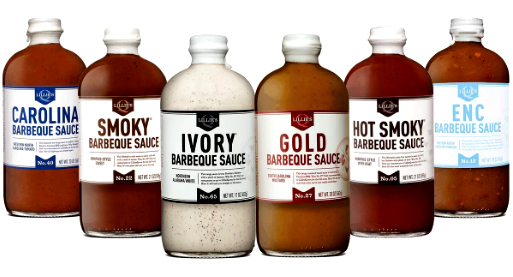
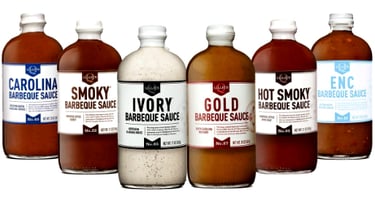
#1 BBQ SAUCE: Lillie's Q Carolina Gold
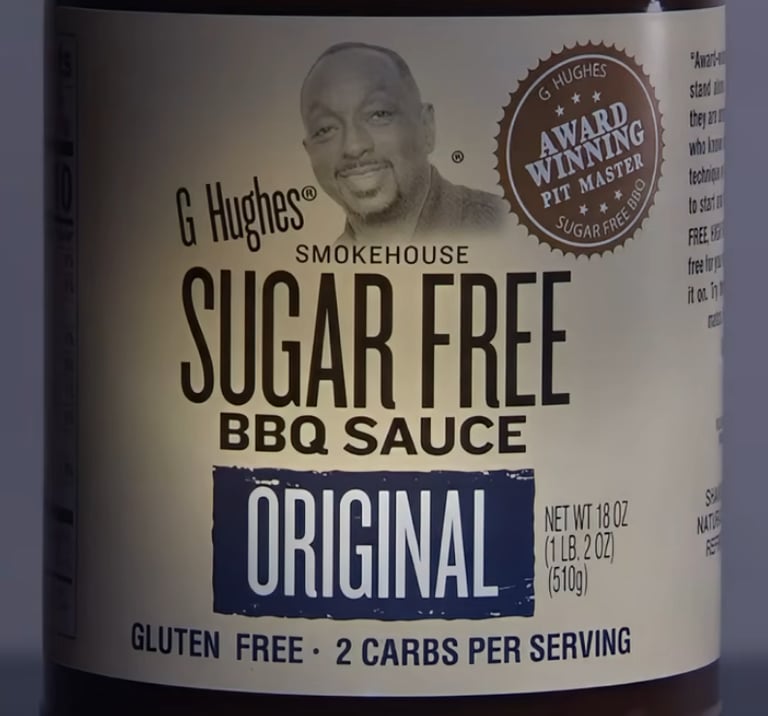
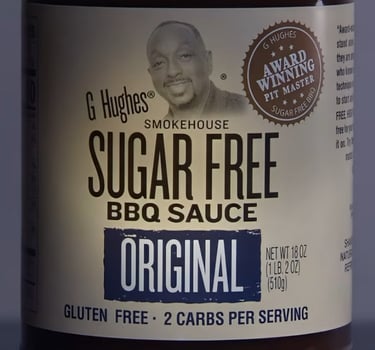
#3 BBQ SAUCE: G Hughes Sugar-free Original
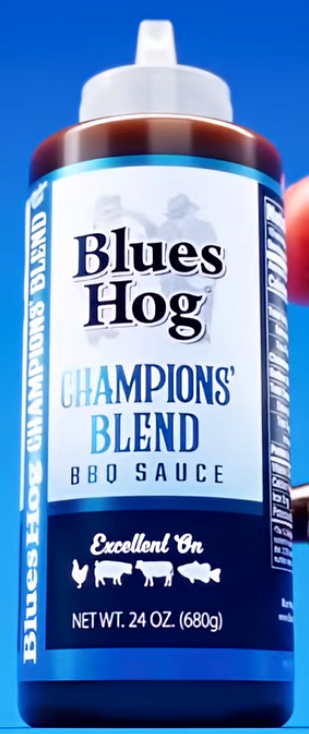
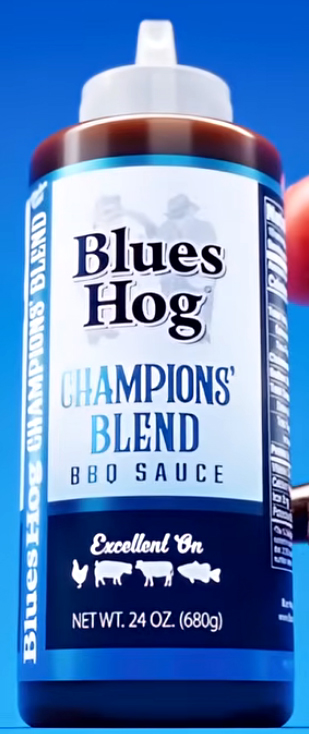
#2 BBQ SAUCE: Blues Hog Champions Blend
#4 BBQ SAUCE: Billy Sims Oklahoma Original
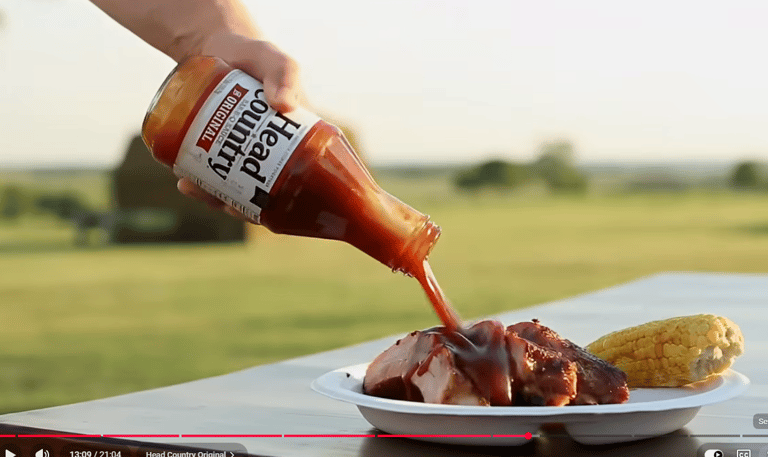
#5 BBQ SAUCE: Head Country Original
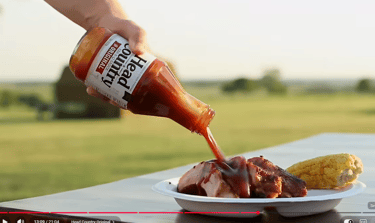
This video critiques popular barbecue sauce brands, highlighting how many have replaced traditional ingredients with high-fructose corn syrup and other industrial shortcuts, leading to altered taste and poor performance under heat.
It contrasts these with authentic brands that maintain original recipes, use real ingredients, and offer superior caramelization and flavor.
Key Points
Many best-selling barbecue sauces, including Sweet Baby Ray's, Cattlemen's, KC Masterpiece, Kraft Original, and Stubbs, have changed their formulas to include high-fructose corn syrup or other corn syrup derivatives as primary ingredients, often after being acquired by larger corporations.
These industrial sauces tend to burn black and bitter under heat instead of caramelizing, due to the properties of corn syrup compared to natural sugars like molasses or honey.
Cattlemen's and Stubbs, now owned by McCormick, are noted for using artificial smoke flavor and high sodium content.
KC Masterpiece, originally created with five real ingredients, has been passed between Clorox and Heinz, with its recipe significantly altered.
Kraft Original, while announcing a switch from high-fructose corn syrup in 2015, still uses regular corn syrup as a primary ingredient, a change timed with its merger with Heinz.
Authentic brands like Head Country Original (family-owned since 1947), Billy Sims Oklahoma Original, G Hughes Sugar-Free Original, Blues Hog Champions Blend (used by competition pitmasters), and Lily's Q Carolina Gold (created by a champion pitmaster) maintain real ingredients, proper caramelization, and authentic flavors.
These authentic brands often use ingredients like tomato puree, vinegar, sugar, molasses, real wood smoke, and spices, and are typically family-owned or independently operated.
Takeaways
The primary ingredient in many popular barbecue sauces has shifted from tomatoes or molasses to corn syrup, fundamentally changing the product from barbecue sauce to "corn syrup with barbecue flavoring."
Industrial corn syrup burns differently under heat than natural sweeteners, resulting in a harsh, bitter coating rather than a desirable glaze.
Authentic barbecue sauces, made with real ingredients and traditional methods, perform better under heat, enhance the flavor of the meat, and are often produced by independent companies that prioritize quality over cost-cutting.
The cost difference between industrial and authentic barbecue sauces is often minimal when spread across a grilling season, but the difference in quality and taste is significant.
That BBQ sauce in your pantry right now is not what it used to be.
High-fructose corn syrup is the number one ingredient in America's best-selling barbecue sauce.
You're buying corn syrup with barbecue flavoring, not barbecue sauce.
I spent 8 weeks tracking exactly when America's most trusted brands quietly changed their formulas.
By the end of this video, you'll know which bottles to pull from your pantry and which authentic brands actually work on your grill.
BAD BBQ Number 1: Sweet Baby Rays.
That dark red bottle with the smiling cartoon chef is in more American kitchens right now than any other barbecue sauce on the planet.
You've seen it at every cookout, every grocery store end cap, every summer table for the last 20 years.
Sweet Baby Rays started honest in the early 1980s: Chicago brothers Larry and Dave Raymond, named after Dave's basketball nickname.
These guys entered the Mike Royko Riboff competition in 1982, won second place among 700 competitors in 1985.
Real barbecue people making real barbecue sauce.
For 20 years, Sweet Baby Rays was the real thing, Chicago style; you could taste it.
But in 2003, the Raymond brothers sold out.
Ken's Foods bought their recipe for $30 million.
Ken's Foods makes salad dressing. Massachusetts company.
They know ranch and blue cheese; they don't know barbecue pits.
Under Ken's control, Sweet Baby Rays now owns about 43% of the American barbecue sauce market, nearly half of every bottle sold in this country.
And here's what nobody was asking during that growth: what exactly changed inside the bottle to make that kind of scale possible? Flip the bottle over.
High-fructose corn syrup is the first ingredient. Not tomatoes. Not molasses.
Corn syrup.
You're buying corn syrup with barbecue flavoring, not barbecue sauce with sweetener.
Here's the test that proves the betrayal: brush Sweet Baby Rays on ribs and watch what happens under heat.
It doesn't caramelize like real barbecue sauce should; it burns black and bitter.
That's because corn syrup breaks down differently under heat than natural sugars like molasses or honey.
Instead of creating that beautiful glaze you see in competition barbecue, it creates harsh, burnt coating.
At $2.50 per bottle, you're paying Chicago prices for Massachusetts chemistry.
Every dollar goes to a salad dressing company that bought a basketball story and replaced it with industrial corn syrup.
BAD BBQ Number 2: Cattlemen's.
That premium-looking bottle with the cowboy branding and steakhouse imagery sits in the specialty sauce section, priced higher than everything around it.
Cattlemen's wants you to believe this is professional-grade barbecue sauce, the kind that real steakhouses serve.
Cattlemen's started in 1945 as genuine restaurant-grade barbecue sauce. Steakhouses used it?
High-end establishments that couldn't afford to serve inferior sauce to customers paying premium prices.
For decades, Cattlemen's meant professional quality.
Then McCormick & Company acquired it as part of their condiments expansion.
McCormick turned a legitimate restaurant sauce into restaurant-style marketing.
They kept the professional positioning but filled it with industrial shortcuts.
Now they want you to believe this is what real pitmasters use: that sophisticated legal deception.
Here's the salt test that exposes the lie: pick up the bottle and read the sodium line: 400 milligrams per serving.
Put that in perspective: that's more sodium than a bag of potato chips.
Taste it side by side with authentic barbecue sauce, and you can feel the salt coating your mouth before you taste any smoke.
Read the ingredients: high-fructose corn syrup, sodium benzoate, artificial smoke flavor.
Real barbecue smoke comes from hickory wood burning at specific temperatures.
Artificial smoke flavor comes from a lab: synthetic guacol and seringle designed to fool your taste buds without any of the chemistry that comes from actual wood smoke.
When you taste "smoke" in Cattlemen's, you're not tasting a smoker.
You're tasting synthetic compounds manufactured to trigger the same brain receptors as real smoke.
At $3.50 per bottle for premium positioning, McCormick charges steakhouse prices for synthetic smoke compounds.
You're paying extra to be lied to about what "professional" means.
BAD BBQ Number 3: KC Masterpiece.
That brown bottle with the Kansas City skyline and barbecue imagery has been a grocery store staple for 40 years.
KC Masterpiece was supposed to represent authentic Kansas City barbecue tradition.
This one hurts because KC Masterpiece started authentic.
Child psychiatrist Rich Davis created this in Kansas City in 1977.
Five real ingredients: tomato, molasses, spices, liquid smoke.
Won "best sauce on the planet" at the 1980 American Royal Contest.
Rich Davis wasn't a food scientist; he was a Kansas City guy who wanted to bottle what Kansas City barbecue tasted like.
For 9 years, KC Masterpiece was the real thing.
Then, in 1986, Davis sold to Clorox Corporation.
Clorox makes bleach, disinfectants, cleaning chemicals.
They understand sodium hypochlorite chemistry, not barbecue culture, but they saw a Kansas City barbecue brand with national potential, and they bought it.
Clorox did what Clorox does: they optimized it.
Cheaper ingredients, longer shelf life, better margins.
The Kansas City story stayed on the label; the Kansas City flavor did not.
Then, in 1995, Clorox sold KC Masterpiece to Heinz, trading it off like a commodity once they'd extracted what they could.
Today, it sits inside the Kraft Heinz Empire, the same conglomerate that owns the Kraft barbecue sauce we're covering next.
Rich Davis's Kansas City creation has been passed between corporate owners like a line item on a spreadsheet.
The name stayed; the recipe was gone long before the first sale was even complete.
When you brush KC Masterpiece on ribs, it burns the same way Sweet Baby Rays does: black coating instead of caramelization, same harsh bitterness that masks your meat instead of enhancing it.
Count the ingredients on today's KC Masterpiece bottle: corn syrup appears before any actual food ingredient, sodium benzoate, natural flavors, artificial colors.
Rich Davis's five-ingredient recipe became a corporate commodity.
In plain language, Rich Davis's sauce has been bought, optimized, and resold by three different corporations in 40 years.
Each one stripped out more authenticity to boost their margins.
At $4 per bottle, you're paying Kansas City heritage prices for corporate commodity chemistry.
Rich Davis's barbecue tradition has been a line item on three different spreadsheets.
BAD BBQ Number 4: Kraft Original.
That familiar red-labeled bottle has been in American refrigerators since the 1950s.
Kraft Original was the barbecue sauce your parents bought, the one at every family cookout for decades.
Generations of Americans trusted this brand.
Kraft entered barbecue during the post-World War II grilling boom when suburban families were discovering backyard cooking.
For years, Kraft BBQ sauce was simple, reliable, and tasted like what barbecue sauce should taste like.
It built its reputation when ingredients still mattered.
But Kraft has mastered one specific corporate art form: the ingredient shell game.
For decades, Kraft loaded their barbecue sauce with high-fructose corn syrup.
No apology. It was cheap, it was shelf-stable, and Americans weren't reading labels yet.
Then, in 2015, facing pressure about HFCS, Kraft announced they were "improving" their recipe: removing high-fructose corn syrup, adding higher-quality ingredients like cane sugar and molasses.
Press releases about their "commitment to better ingredients."
Here's what they didn't mention: 2015 was the exact year Kraft merged with Heinz to form one of the largest food conglomerates in the world.
The "ingredient improvement" announcement was timed to the merger as PR management.
Here's the label comparison test that exposes the deception: put a current Kraft bottle next to one from 2014 on Google Images. The front looks almost identical.
Read the back: "The ingredient that moved was corn syrup, from high fructose to regular, same chemical family, different PR problem."
Go read a current Kraft barbecue sauce label: corn syrup still appears as the primary ingredient in many varieties.
You're still buying corn syrup with barbecue flavoring; they just changed which type of corn syrup to avoid the controversy.
Someone in a Kraft boardroom ran the numbers and realized something useful: a marketing claim on the front of a bottle is worth more than the ingredient list on the back because most people never flip the bottle over.
At $2.75 per bottle, Kraft charges premium prices for whatever corn syrup derivative is currently most cost-effective. You're funding the shell game.
BAD BBQ Number 5: Stubbs.
That bottle with Stubbs Doublefields photograph and Austin imagery represents one of the most heartbreaking cultural betrayals in American food history.
For 20 years after this man died, his sauce stayed true to his vision: the sauce your father grilled with every summer and the bottle in your pantry today share a name.
That's where the similarity ends.
Stubbs Doublefield grew up in Navasota, Texas.
Opened his first joint in Lubbock in 1968.
Moved to Austin in 1986 and became the kind of man this city puts on murals.
Not because he marketed himself well; because he fed people real food.
Stubb didn't just cook; he'd hand you a plate, then a musician would start playing, and somehow the two things were inseparable.
Joe Ealy played there. Stevie Ray Vaughn played there.
You went for the brisket and stayed for something you couldn't describe.
He hand-bottled his sauce starting in 1992, recipes straight from his restaurant kitchen.
When Stubb died in 1995, his partners continued as Stubb's legendary kitchen.
For 20 years after his death, they kept his original approach: small batches, real ingredients, respect for what he built.
Then, in 2015, McCormick & Company bought Stubbs for over $100 million.
McCormick is a Baltimore spice manufacturer.
They understand paprika extraction and black pepper processing.
They don't understand Texas barbecue culture or Austin music history.
McCormick's analysts identified a loyal customer base with strong emotional attachment to the Stubb brand.
In plain language, they found people who would keep buying because of the photograph on the label.
And they were right: brush current Stubb's sauce on ribs, and you'll see the same corn syrup burn pattern as every other corporate sauce.
Same black, bitter coating. Same harsh breakdown under heat.
Under McCormick, Stubb's sauce now contains corn syrup, sodium benzoate, artificial flavoring.
The same corporate shortcuts that define every other industrial sauce.
They kept Stubb's photo on the label and maintained the Austin imagery.
But they gutted everything that made his sauce authentic.
The Austin restaurant at 801 Red River still operates using Stubb's name and image.
Visitors think they're experiencing authentic Texas barbecue culture while eating McCormick's interpretation of his recipes.
At $4.50 per bottle, McCormick charges premium prices for mass market chemistry while trading on Stubb's Texas legend.
You're paying Austin prices for Baltimore industrial chemistry.
Now let's talk about the brands that still understand barbecue is about tradition and craftsmanship, not industrial chemistry.
Number 5: Head Country Original.
Head Country started in 1947 when Uncle Bud Head created a simple recipe during his Navy service.
After the war, Bud returned to Osage County, Oklahoma, and sold his sauce in local feed stores to farmers who understood real flavor.
In the 1970s, Danny Head, Bud's nephew and an oil field worker from Ponca City, bought the recipe.
In 1980, Danny quit his oil job to produce this sauce full-time in a converted World War II barracks.
The recipe hasn't been altered once since 1947, not even for cost savings.
Here's what makes Head Country different: they never changed Bud's original recipe.
Not once. In 77 years.
Read the ingredient list: tomato puree, sugar, vinegar, salt, Worcestershire mustard seed.
That's it. That's been the list since 1947.
No corn syrup, no preservatives, no artificial anything.
Brush Head Country on ribs and watch it caramelize properly.
Beautiful glaze, no burning, no bitter coating.
That's what real barbecue sauce does under heat: the smoke flavor in Head Country comes from actual condensed wood smoke, not the synthetic guacol compounds in corporate sauces.
Real smoke, condensed from real wood, then added to the sauce.
It's the difference between smoking a brisket and spraying liquid smoke on hamburger.
This is authentic Oklahoma barbecue style.
Not Texas harsh mesquite. Not Carolina vinegar bite.
Oklahoma balances sweet, heat, and smoke, so you taste the meat first and the sauce second.
Works on brisket, ribs, chicken. Doesn't fight any of them.
Head Country has remained family-owned and independent, while every brand around them sold out to conglomerates.
That's not an accident; that's a choice.
Number 4: Billy Sims, Oklahoma Original.
Billy Sims won the 1978 Heisman Trophy, played in the NFL, then came home to Oklahoma and couldn't find store-bought sauce that matched what he grew up eating. So he made his own.
He's been personally involved in every recipe adjustment since the brand launched in 2004.
This isn't celebrity marketing; Sims didn't slap his name on existing industrial sauce.
He developed this because corporate barbecue sauce wasn't good enough for his table.
Read the ingredients: tomato paste, brown sugar, vinegar, soy sauce, spices.
No high-fructose corn syrup. No corn syrup, period.
Gluten-free recipe using real soy sauce for depth instead of artificial umami compounds.
Brush Billy Sims on ribs and watch proper caramelization.
Thick enough to cling during smoking, thin enough to penetrate the bark.
Beautiful glaze instead of burnt coating.
And Sims could have licensed his name to McCormick or Ken's Foods and collected royalty checks.
Instead, he maintains direct control over production.
Every bottle is made to the same standard he puts on his own table.
If your brisket has been coming out with harsh, burnt coating instead of proper caramelization, the problem might not be your smoking technique.
Industrial corn syrup burns different than real ingredients.
At $4.75 per bottle, Billy Sims costs about $2.25 more than Sweet Baby Rays.
That's the difference between real ingredients and corn syrup chemistry over your entire grilling season.
Number 3: G Hughes Sugar-Free Original.
G Hughes asked a different question than every other sauce company: what would barbecue sauce taste like if we used only real ingredients and no added sugar?
They've maintained this philosophy since launching in 2013 with zero formula changes.
The ingredient list reads like what barbecue sauce should be: tomato puree, apple cider vinegar, modified food starch, salt, spices, natural flavors.
Modified food starch is a thickener derived from natural starch, the kind of additive that performs a function without compromising the barbecue.
It's not corn syrup; it's not synthetic smoke.
It belongs in the same category as corn starch in your kitchen.
This works especially well with chicken and seafood where you want barbecue character without overwhelming the protein.
The clean ingredients perform correctly under heat because they're designed for cooking, not for shelf stability.
Most importantly, G Hughes remains independently owned.
No corporate parent company. No shareholders demanding cost cuts.
No marketing department changing recipes based on focus groups.
At $3.25 per bottle, G Hughes costs about the same as most corporate alternatives.
You're getting clean ingredients and proper caramelization for the same price as corn syrup chemistry.
Number 2: Blues Hog Champions Blend.
This is what actual competition pitmasters use when their reputation depends on results.
Blues Hog Champions Blend consistently scores at the top of independent barbecue sauce reviews and is widely regarded as the gold standard for a competition-level sauce.
The company was founded in 2000 by competition barbecue veterans who wanted professional-grade sauce.
The recipe is designed specifically for competition ribs.
Perfect viscosity for caramelization under high heat.
No corn syrup to burn black and bitter.
No artificial compounds that break down under sustained temperature.
Brush Blues Hog on ribs and watch professional-level caramelization.
Perfect glaze.
No burning, no harsh coating.
This is what barbecue sauce is supposed to do under competition heat.
Competition pitmasters can't rely on marketing or brand loyalty.
When judges are scoring your ribs against 20 other teams, the sauce either works or it doesn't.
This works, available at specialty grocery stores and online.
At $8.50 per bottle, Blues Hog costs about $6 more than Sweet Baby Rays.
You're paying for professional-grade results that caramelize properly instead of burning bitter.
Number 1: Lily's Q Carolina Gold.
Charlie McKenna is a two-time World BBQ Champion.
When someone who has proven barbecue excellence at that level puts his name on sauce, you pay attention.
McKenna founded Lily's Q in 2010 and still personally approves every production batch.
This isn't corporate approximation of barbecue tradition; this is barbecue tradition, refined by champions who understand excellence.
The Carolina Gold recipe honors South Carolina mustard-style sauce, perfected across generations.
Real mustard seed provides heat complexity and tangy depth that no industrial flavor compound can replicate.
This is regional authenticity at championship level: GMO-free ingredients.
No high-fructose corn syrup. No artificial preservatives.
Just authentic barbecue components, assembled by someone whose livelihood depends on barbecue excellence.
Lily's Q caramelizes beautifully under heat. Perfect glaze development.
Works with everything: pork, chicken, beef, vegetables because it enhances instead of overpowering.
Most importantly, McKenna maintains direct control over production.
No corporate ownership. No shareholders demanding cost cuts.
No marketing department changing recipes based on focus groups.
Available at specialty grocery stores and online.
At $9.50 per bottle, Lily's Q costs about $7 more than Sweet Baby Rays.
You're paying for championship-proven tradition and proper caramelization that enhances your grilling instead of fighting against it.
Here's the math that corporate marketing doesn't want you to understand: the difference between authentic and industrial barbecue sauce is less than a single restaurant meal spread across your entire grilling season.
But here's what that small investment delivers: ingredients that caramelize properly instead of burning black.
Natural sweeteners that enhance your grilling instead of working against it.
Authentic flavors that make your ribs look and taste like you know what you're doing.
If expensive barbecue sauce makes your ribs taste better, you're not imagining it.
Real ingredients perform differently under heat because they're designed for cooking, not for corporate profit margins.
The problem was never your grilling technique.
The problem was using chemistry designed for shelf stability instead of barbecue excellence.
The people at your table this summer—your family, your friends, the people who trust your cooking—they deserve the real thing, not the legal simulation of it.
RealFoods.Blog
Questions or tips? Reach out anytime.
contact@realfoods.blog
© 2026. RealFoods.Blog - All rights reserved.